How Underground Downspouts Protect Your Atlanta Home from Heavy Winter Rains
Managing Atlanta’s Heavy Winter Rains With Underground Downspouts
Winter in Atlanta often brings long stretches of rainfall rather than snow. While that may seem easier on day-to-day life, it can be tough on your home if stormwater isn’t being managed properly. During January and February especially, heavy downpours can overwhelm traditional gutter and downspout setups, sending large volumes of water straight down to the base of your home. Over time, that kind of repeated saturation can lead to foundation stress, soil erosion, and moisture problems in basements or crawlspaces.
One of the most effective ways to control roof runoff and protect your foundation is by using underground downspouts. Instead of allowing water to spill out right next to the house or run across the surface in an unpredictable way, underground downspouts collect water from your gutters and carry it through buried piping to a safer discharge location away from the structure.
What Are Underground Downspouts?
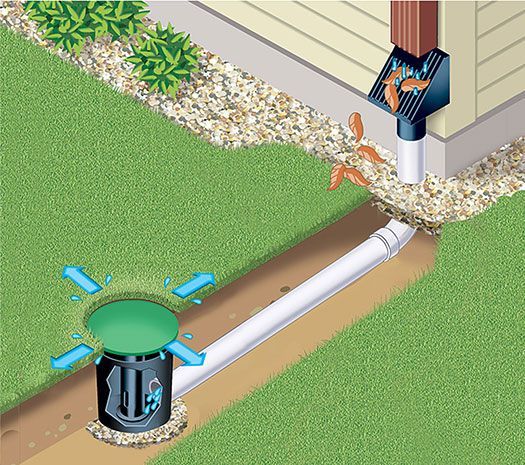
An underground downspout is a drainage system designed to move rainwater from your roof to a concealed, below-ground pipe. That pipe then directs the water to a location where it can safely disperse without soaking the soil around your foundation or causing standing water.
Compared to basic above-ground extensions, underground downspouts are:
- More discreet: The piping is buried, so the yard looks cleaner and less cluttered.
- More permanent: They are less likely to be knocked out of place by lawn equipment, pets, or foot traffic.
- More controlled: The system is designed with proper slope and routing to keep water moving away from the home.
Why They Matter So Much in Atlanta’s Climate
In the Atlanta area, it’s common to experience intense rainstorms, especially in the cooler months. A standard downspout that dumps water right at the corner of the house may seem harmless at first, but during a heavy storm that single spot could see hundreds of gallons of water in a very short period of time. When that water saturates the soil, it can:
- Increase pressure against foundation walls
- Encourage water seepage into basements or crawlspaces
- Cause erosion near footings and slabs
- Create muddy, unstable areas around the house
Underground downspouts help reduce these risks by taking the water from the gutters and carrying it away from problem areas. When combined with a well-planned drainage strategy, they become a powerful tool in protecting your home from the effects of repeated storms.
Early Signs You May Need Better Downspout Drainage
Many homeowners first notice something is wrong when they see:
- Puddles forming along the foundation after it rains
- Mulch or soil washing away near the base of the house
- Damp spots on basement walls or in crawlspaces
- Downspouts that pour water aggressively into one small area
These issues are often warning signs that your current system is not keeping up with Atlanta’s rainfall patterns. Addressing downspout drainage before the spring rain season arrives can help you avoid bigger, more expensive problems later in the year.
How Underground Downspouts Work and Why Professional Design Matters
Underground downspouts may appear simple from the outside, but their effectiveness depends heavily on proper design and installation. The goal is straightforward: capture water from the gutters, move it underground, and release it at a location where it can safely drain without harming the structure, landscaping, or neighboring properties.
Key Components of an Underground Downspout System
A typical system includes several important parts:
- Downspout connection: A fitting at the bottom of your gutter downspout that directs water into the underground pipe.
- Buried piping: Usually a durable pipe installed below ground with a slight slope for gravity-fed flow.
- Transition fittings and elbows: Used to route around obstacles and maintain proper direction.
- Discharge point: The location where water exits, often through a pop-up emitter, drywell, or other controlled outlet.
Planning the Route: More Than Just Digging a Trench
The path that water takes underground is one of the most important aspects of the design. A properly planned route:
- Uses gravity rather than relying on pumps
- Avoids low spots where water could collect in the pipe
- Directs water toward an area that can safely absorb or disperse it
- Steers clear of utility lines, tree roots, and other obstacles
In many Atlanta neighborhoods, lots are sloped in ways that naturally push water toward the house instead of away from it. Professional planning can help counter this by using underground downspouts and drainage strategies to “rewire” how stormwater moves across your property.
Installation: What Homeowners Can Expect
Installing underground downspouts typically follows a straightforward process:
- Assessment: The property is evaluated to identify problem areas and optimal discharge locations.
- Layout: The underground route is marked, taking slope and obstacles into account.
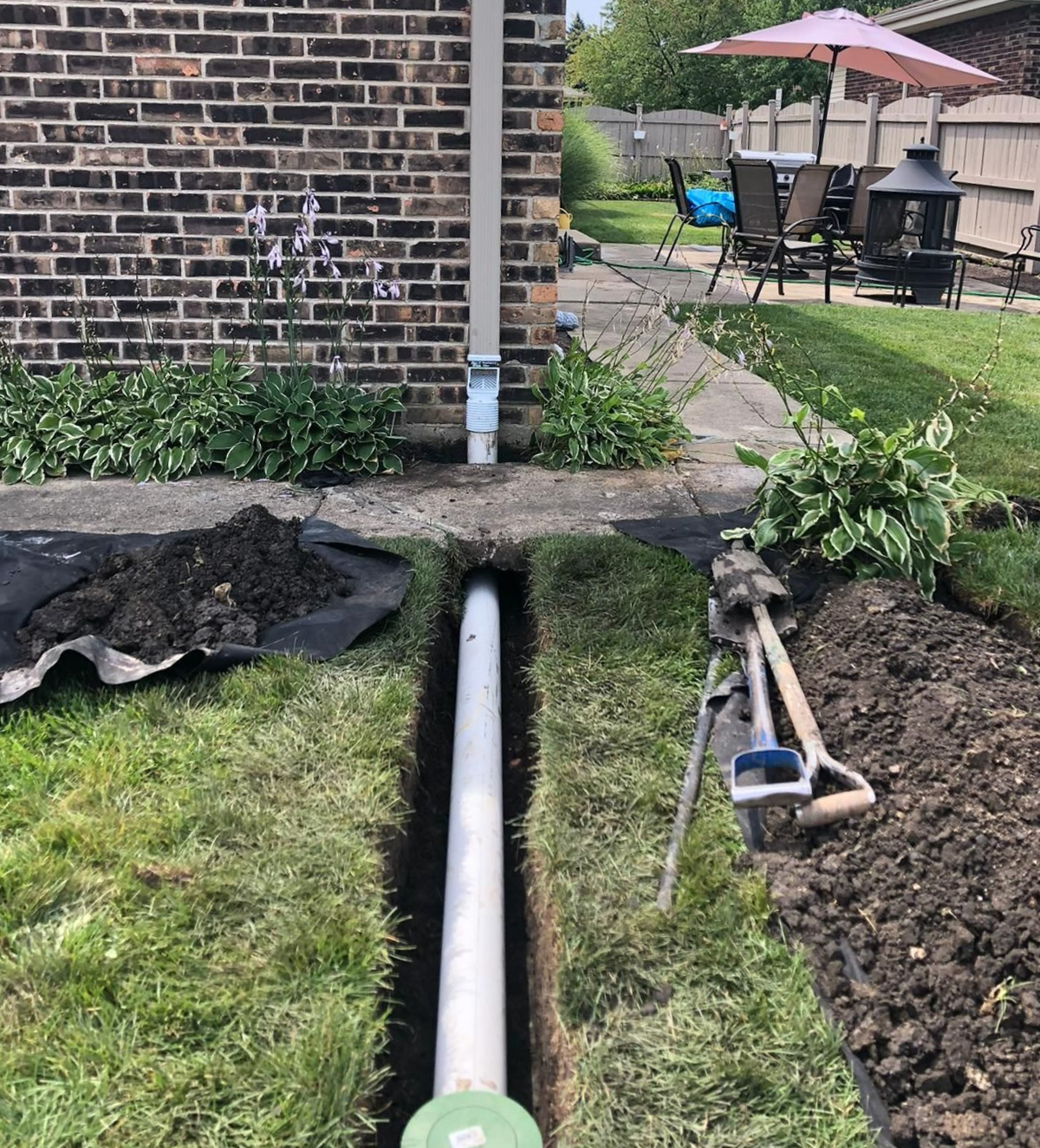
- Trenching: Shallow trenches are dug along the planned path.
- Pipe placement: Piping and fittings are installed, connected to the existing downspouts, and checked for proper slope.
- Backfilling and cleanup: The trenches are filled, and the surface is restored as closely as possible to its original appearance.
In the end, what you see above ground is minimal: your existing gutters and downspouts, plus a discreet emitter or outlet further away from the house. Beneath the surface, however, the system quietly manages each storm, helping keep water where it belongs.
Why Professional Installation Is Worth It
While it might seem tempting to attempt a quick fix with flexible tubing or temporary extensions, professionally installed underground downspouts are designed to last and to perform reliably in heavy rain. With professional design, you benefit from:
- Correct pipe sizing for the volume of water coming off your roof
- Proper slope and route planning for long-term performance
- Selection of durable materials suited to local soil and weather conditions
- Integration with other waterproofing and drainage solutions around your home
When underground downspouts are part of a bigger waterproofing strategy, they support your foundation, basement, crawlspace, and landscaping in a way that basic above-ground extensions simply cannot.
Getting Ahead of Atlanta’s Next Big Storm With Underground Downspouts
Heavy rain is a normal part of life in the Atlanta area, but recurring water problems around your home do not have to be. If you see standing water near your foundation, experience dampness in the basement or crawlspace, or notice that your gutters discharge water into the same saturated spot every time it rains, it may be time to rethink how stormwater is being managed on your property.
Underground downspouts offer a simple, effective way to take control of roof runoff before it can cause damage. By capturing water at the downspouts and moving it below ground to a better location, these systems help:
- Reduce soil erosion along the sides of your home
- Lower the risk of foundation cracks caused by constant moisture
- Limit water intrusion into basements and crawlspaces
- Protect landscaping and lawn areas from washout
When combined with other appropriate waterproofing measures, underground downspouts become a key part of a long-term solution for managing Atlanta’s frequent and sometimes intense rainfall. Instead of worrying about runoff every time a storm rolls in, you can have confidence that your home has a plan in place.
If you are ready to improve how rainwater is handled around your home and want to explore whether underground downspouts are the right solution for your property, you can learn more about your options or request a customized evaluation by clicking the button below.
Search an Article
Contact Us
Get your FREE QUOTE today!
FOLLOW US ON SOCIAL MEDIA:

Protect Your Home From the Ground Up
Don’t let moisture and foundation issues become costly problems. Trust PPS Waterproofing for reliable solutions that keep your home dry and protected.