Basement and Crawl Space Mold in Atlanta: Why It Keeps Coming Back and How to Stop It
Why Mold Keeps Showing Up in Damp Areas of Your Home
Mold in a basement or crawl space is rarely just a surface problem. In many homes, visible growth is a sign that excess moisture has been present long enough to create the right conditions for mold to develop. For homeowners in Atlanta, Woodstock, and throughout North Georgia, humid weather, heavy rain, foundation seepage, and damp crawl spaces can all contribute to recurring moisture problems below the main living areas of the home.
One of the biggest frustrations for homeowners is seeing mold return after it has already been cleaned. That usually happens because the visible growth was addressed, but the underlying moisture source remained. If the basement continues to take on water after storms or the crawl space stays humid for long periods of time, mold can continue to find favorable conditions.
Basements and crawl spaces are especially vulnerable because they tend to stay cooler, receive less natural airflow, and sit close to the ground. Moisture can enter through foundation walls, exposed soil, plumbing leaks, poor drainage, or humid outside air. Once that moisture becomes trapped, the area may stay damp even when the rest of the house feels comfortable.
Common Warning Signs of Basement or Crawl Space Mold
Mold is not always obvious at first. In some cases, homeowners notice an odor long before they see visible growth. In others, signs of excess humidity or damp building materials may appear before mold becomes noticeable.
- Persistent musty odors: A stale or earthy smell can indicate ongoing moisture and microbial growth.
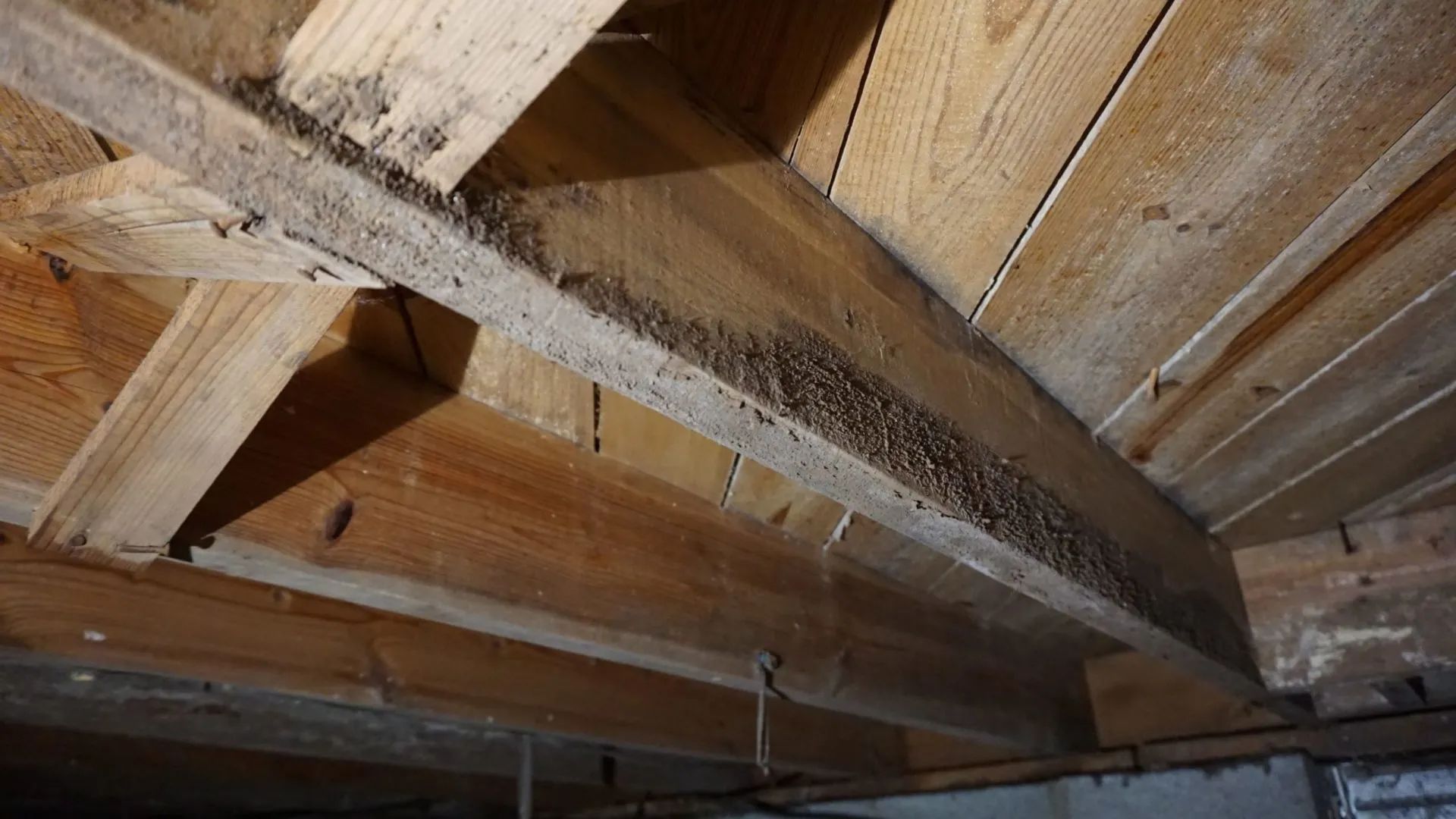
- Visible discoloration: Dark, green, white, or other unusual patches on wood, insulation, walls, or other surfaces should be investigated.
- Damp insulation: Wet or sagging insulation in a crawl space can point to excess humidity or water intrusion.
- High humidity: A basement or crawl space that consistently feels damp or muggy may have a moisture-control problem.
- Condensation: Moisture on pipes, ductwork, walls, or other cool surfaces can be a sign that humidity levels are too high.
- Recurring dampness after rain: Water or moisture that appears during storms may indicate drainage or foundation seepage issues.
- Mold that returns after cleaning: Recurring growth strongly suggests that the underlying moisture source has not been corrected.
These signs do not always mean the entire space has a severe mold problem, but they do signal that the area should be evaluated for moisture. The sooner the source is identified, the easier it may be to prevent the problem from spreading or returning.
For homeowners searching for basement mold treatment in Atlanta, GA or crawl space mold solutions in North Georgia, the first step should be understanding why the space is staying damp. Mold treatment becomes much more effective when moisture control is addressed at the same time.
Why Mold Treatment Has to Include Moisture Control
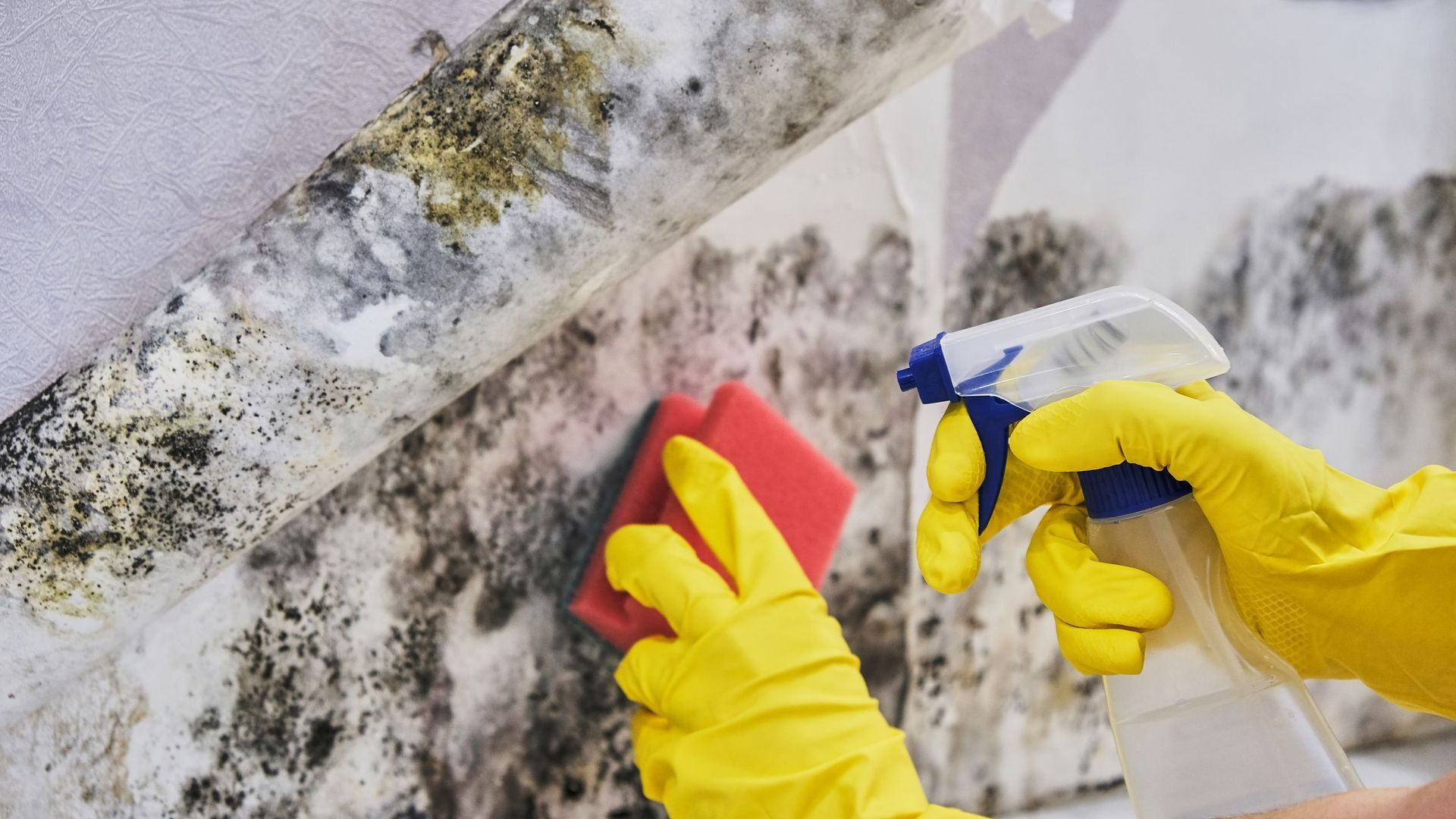
Cleaning visible mold can improve the appearance of a surface, but it does not necessarily solve the condition that allowed the mold to grow. If moisture remains in the basement or crawl space, the same problem can develop again. That is why effective mold treatment should include an evaluation of where water or humidity is coming from and what can be done to control it.
In Atlanta and North Georgia, moisture can enter below-grade spaces in several different ways. Heavy rainfall can place pressure against foundation walls, poor drainage can direct water toward the house, and exposed crawl space soil can release moisture into the air. Warm, humid outdoor air can also enter vented crawl spaces and create condensation when it meets cooler surfaces.
The right solution depends on the source of the moisture. A basement with water seeping through the foundation may require a different approach from a crawl space that stays damp because of high humidity and exposed ground.
- Foundation seepage: Water entering through walls or floor joints may point to the need for basement waterproofing or interior drainage.
- Ground moisture: Exposed soil in a crawl space can continuously release moisture into the area above it.
- High humidity: Humid air can keep wood, insulation, and other materials damp enough for mold to develop.
- Poor exterior drainage: Downspouts, grading, or drainage systems that direct water toward the foundation can increase moisture pressure around the home.
- Standing water: Water that collects after storms may indicate the need for drainage improvements or a sump pump system.
- Unsealed crawl spaces: Open vents and exposed ground can make moisture levels more difficult to control.
Addressing these conditions can help create a drier environment, which is one of the most important steps in reducing the chance of mold returning. Depending on the property, moisture control may involve basement waterproofing, crawl space encapsulation, drainage improvements, sump pump installation, or dehumidification.
Basement Mold and Crawl Space Mold Don’t Always Need the Same Solution
Basements and crawl spaces can both develop mold, but the reasons behind the moisture are often different. A basement is more likely to experience water intrusion through foundation walls, floor cracks, or the joint where the wall meets the floor. Crawl spaces, on the other hand, may struggle more with exposed soil, outside humidity, poor ventilation, and condensation.
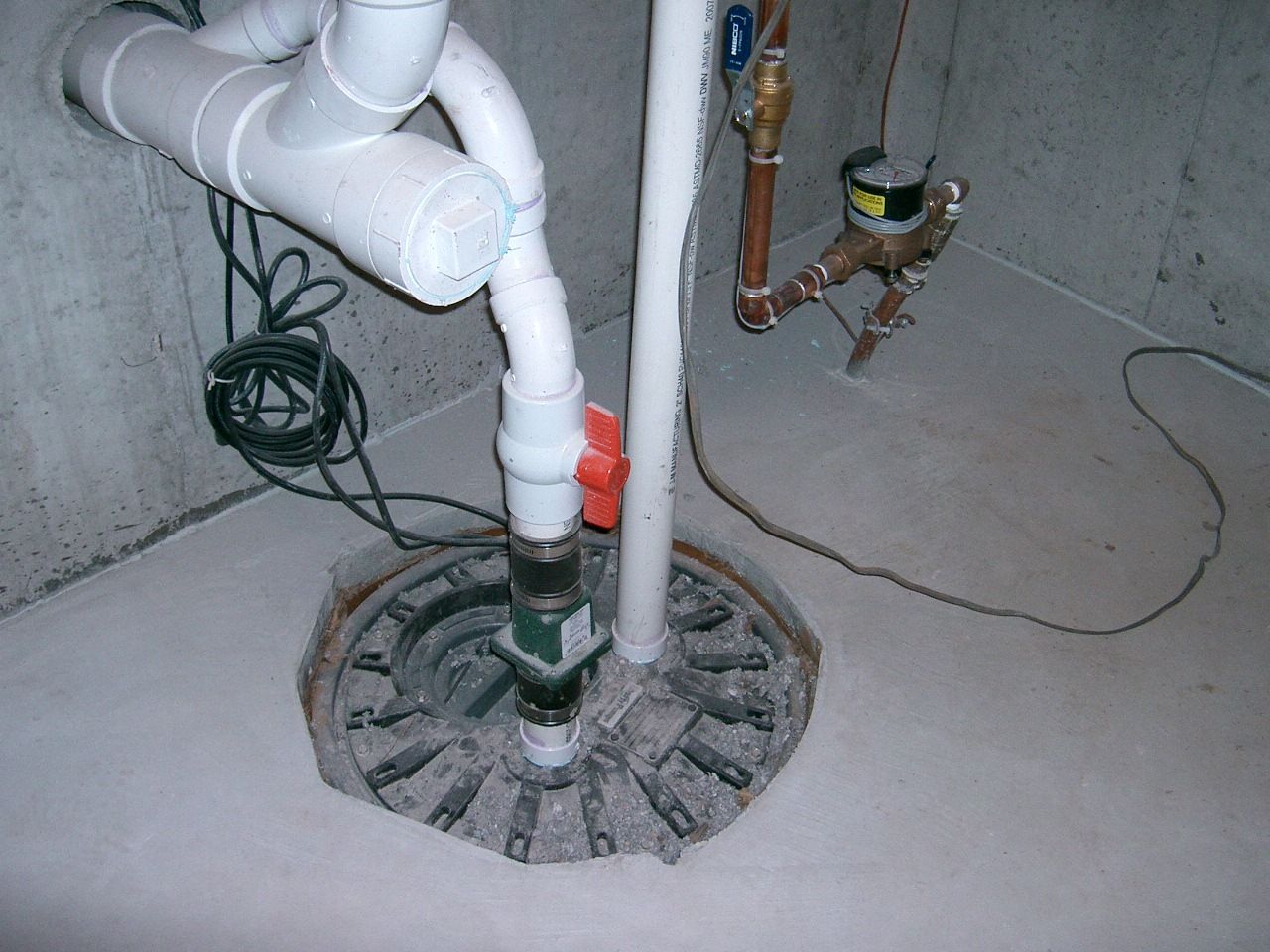
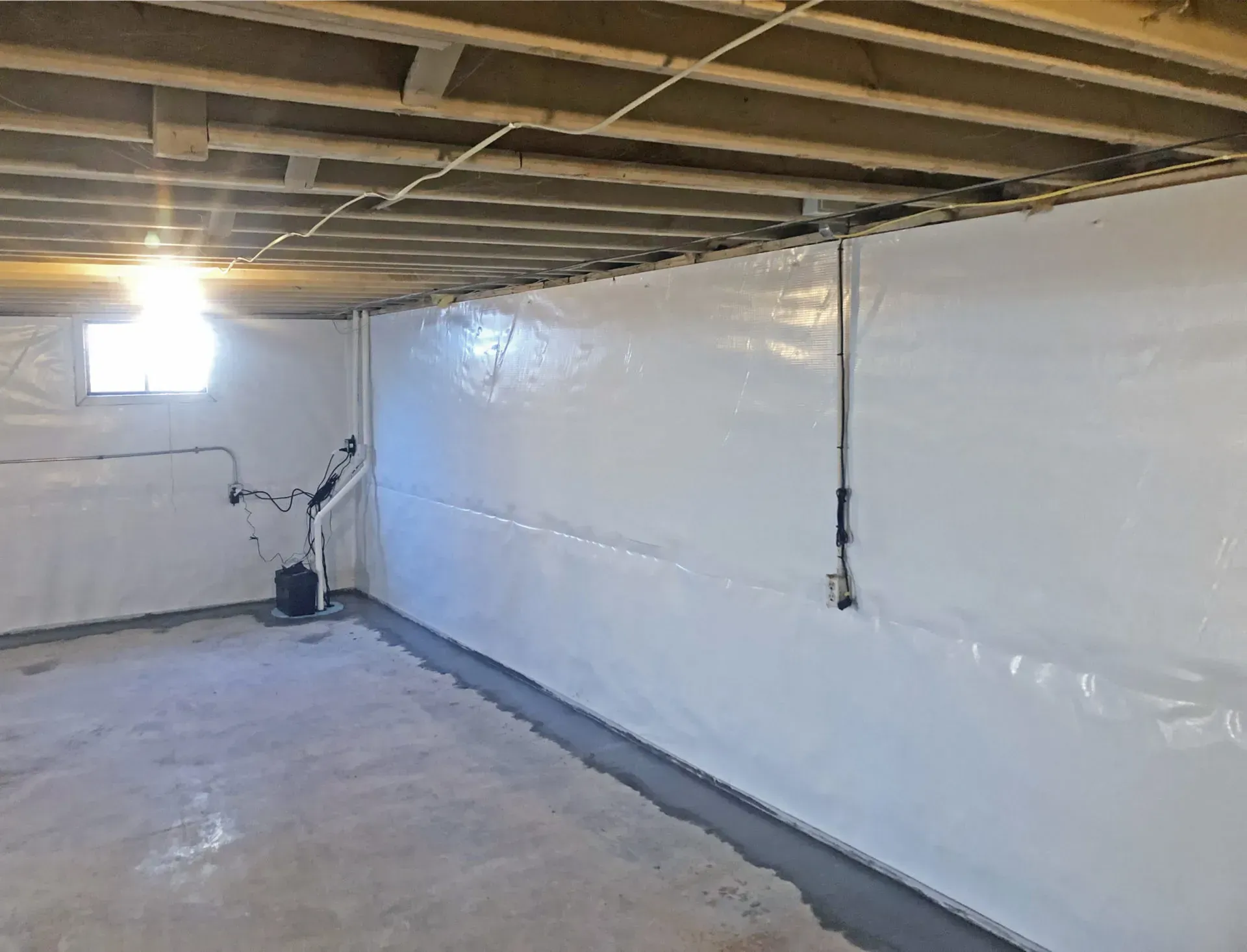
In a basement, solving the problem may begin with controlling water entry. Interior drainage systems can help collect groundwater before it reaches finished areas, while sump pumps can move that water safely away from the foundation. In some cases, wall treatments or other waterproofing measures may also be part of the overall solution.
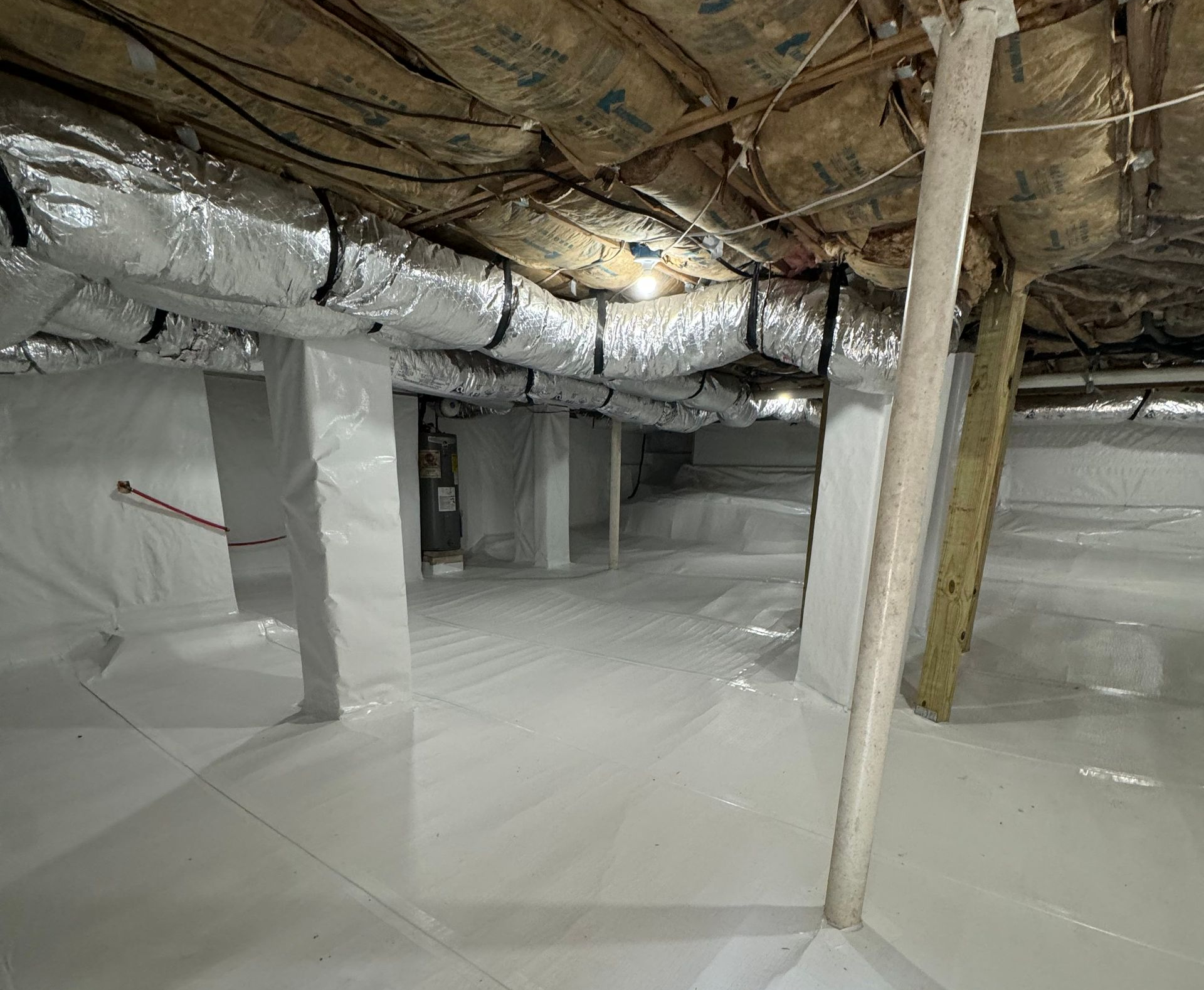
Crawl spaces may require a different strategy. Encapsulation can help separate the area from damp soil and outside air, while a properly sized dehumidifier can help maintain more stable humidity levels. If standing water or drainage problems are present, those issues may also need to be addressed before the space can remain consistently dry.
Treat the Cause, Not Just the Symptom
Mold is often the symptom that gets the homeowner's attention, but moisture is the condition that allows the problem to continue. Treating both at the same time can provide a more complete solution.
This is especially important in humid climates like Metro Atlanta. Even if a space appears dry for a few weeks, high humidity or seasonal rainfall can bring the problem back if the underlying conditions remain unchanged. A long-term approach should focus on maintaining a drier basement or crawl space throughout the year rather than waiting until visible mold appears again.
For homeowners looking for crawl space mold treatment in Atlanta, basement waterproofing in Woodstock, or moisture-control solutions elsewhere in North Georgia, identifying the moisture source is one of the most important parts of the process.
Long-Term Mold Prevention Starts With a Drier Space
Once mold has been treated, keeping the space dry becomes the next priority. Basements and crawl spaces do not need to be completely free of humidity, but they should not remain damp enough for moisture to collect on surfaces or building materials.
Long-term moisture control often requires more than one solution. A basement may need improved drainage and a sump pump, while a crawl space may benefit from encapsulation and dehumidification. The right combination depends on how water is entering, how the home is built, and the conditions around the foundation.
- Crawl space encapsulation: Helps separate the crawl space from ground moisture and humid outside air.
- Basement waterproofing: Helps manage water intrusion through foundation walls, floors, and below-grade areas.
- Interior drainage systems: Can collect water and direct it toward a controlled discharge point.
- Sump pumps: Help remove accumulated water before it creates ongoing dampness.
- Dehumidification: Helps maintain more consistent humidity levels in enclosed basement or crawl space areas.
- Exterior drainage improvements: Can help direct rainwater away from the foundation.
- Routine moisture monitoring: Makes it easier to spot changes before visible mold becomes a recurring problem.
Homeowners should also pay attention to changes over time. A basement that has always been dry can develop moisture problems after grading changes, drainage failures, foundation movement, or unusually heavy rainfall. Crawl spaces can also become more humid when vents, drainage conditions, or insulation change.
What to Watch for After Mold Treatment
After a basement or crawl space has been treated, monitoring the area can help confirm that the moisture problem is under control. Returning odors, damp surfaces, condensation, or water after storms may indicate that additional moisture-management work is needed.
- Check for musty odors when entering the basement or crawl space.
- Look for condensation on pipes, ductwork, walls, and other cool surfaces.
- Watch for damp insulation, wood, or stored materials.
- Pay attention to water intrusion after heavy rainfall.
- Monitor humidity levels when possible.
- Keep gutters and exterior drainage systems functioning properly.
- Address recurring moisture quickly instead of waiting for visible mold to return.
Catching a moisture problem early can reduce the amount of work needed to correct it. It can also help protect structural materials, insulation, stored belongings, and finished basement areas from ongoing dampness.
Mold Treatment and Moisture Control in Atlanta and North Georgia
PPS Waterproofing provides mold treatment, basement waterproofing, crawl space moisture control, drainage solutions, sump pump services, dehumidification, and related waterproofing services throughout Metro Atlanta and North Georgia.
Homeowners in Atlanta, Woodstock, Marietta, Kennesaw, Acworth, Canton, Smyrna, Roswell, Alpharetta, Cumming, and surrounding communities can benefit from addressing mold and moisture as connected problems rather than separate issues. Removing visible growth is important, but controlling the environment that allowed it to develop is what can help prevent the same problem from returning.
If your basement smells musty, your crawl space stays damp, or mold continues to return after cleaning, the next step should be finding out why the area is holding moisture. PPS Waterproofing can evaluate the space, identify the source of the problem, and recommend moisture-control solutions designed for the conditions around your home.
For homeowners searching for mold treatment in Atlanta, GA, basement mold solutions in Woodstock, crawl space moisture control in Marietta, or waterproofing services throughout North Georgia, a drier space is one of the most important foundations for long-term mold prevention.
Search an Article
Contact Us
Get your FREE QUOTE today!
FOLLOW US ON SOCIAL MEDIA:

Protect Your Home From the Ground Up
Don’t let moisture and foundation issues become costly problems. Trust PPS Waterproofing for reliable solutions that keep your home dry and protected.